
Honouring the past. Inspiring the future.
Let’s imagine Wesley College in 1866. The newly completed bluestone and brick school building stands isolated in 10 acres of countryside. St Kilda Road is a gravelled roadway. Only two boys attend school on the first day. The inaugural headmaster, Dr James Corrigan, arrives by ship five weeks late because of family illness. It’s a shaky start.
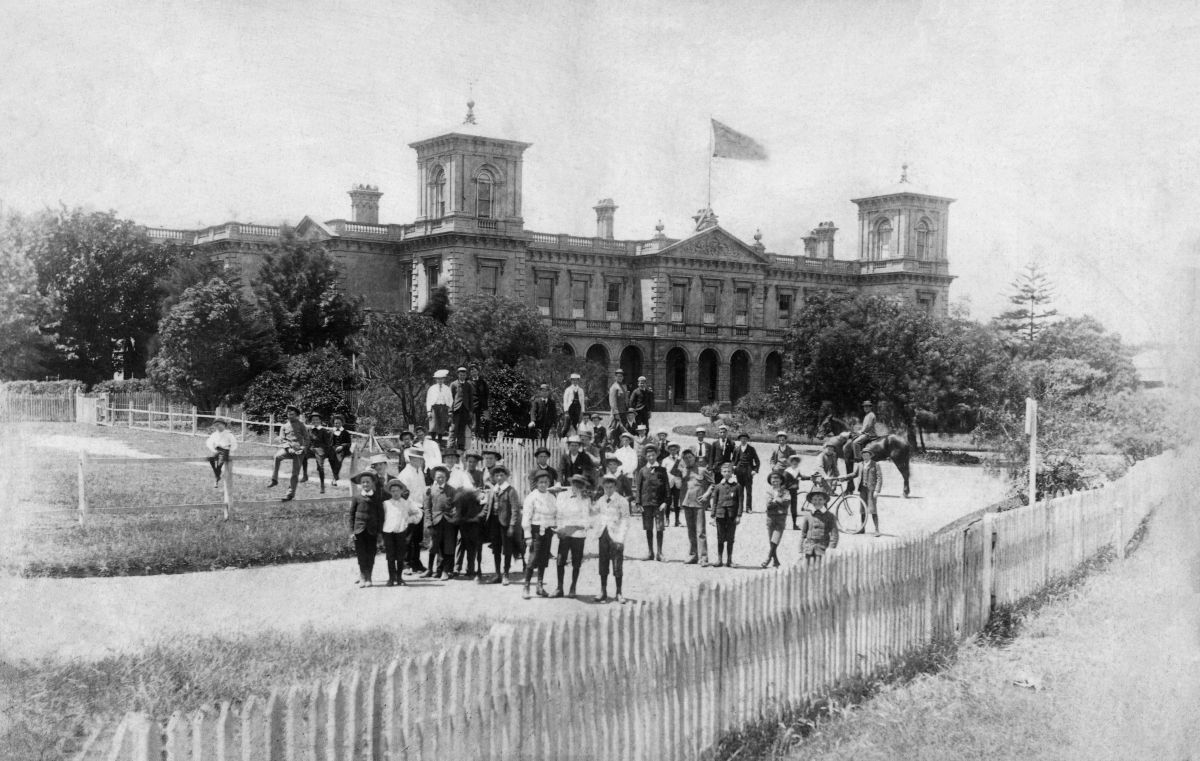
But the fledgling school has high ambitions to deliver a prestigious, comprehensive education modelled on the great English public schools.
The Gothic Revival building is suitably grand. Corrigan is an exceptionally gifted Methodist educator imported from Ireland. Despite the cost, the two credentialled resident masters are soon joined by six ‘visiting masters’, teaching a broad curriculum – from the requisite Latin and Greek to natural science, to the ‘accomplishments’ – music, drawing and painting. By year’s end, 100 boys are enrolled in the school, and by the end of his tenure in 1870, the charismatic headmaster has grown the roll to 207 students, 62 of them boarders.
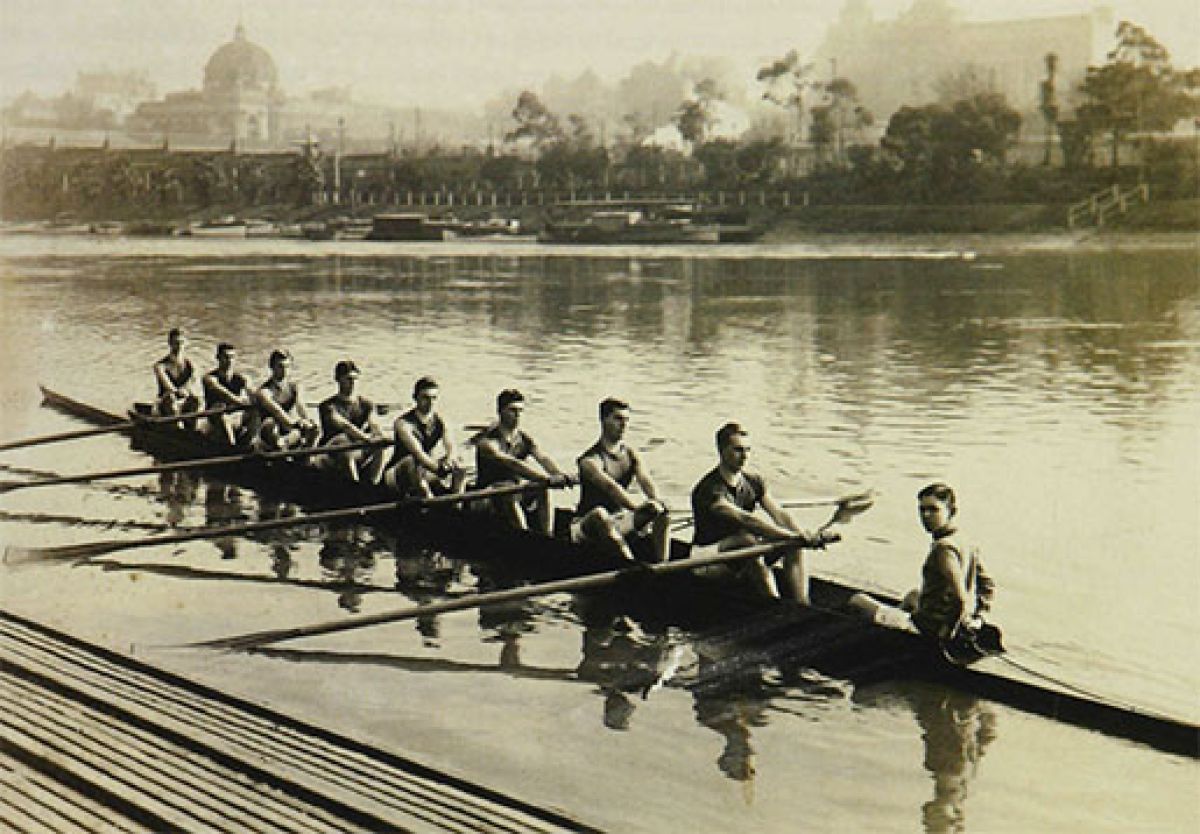
First VIII crew (Head of the River, 1911)
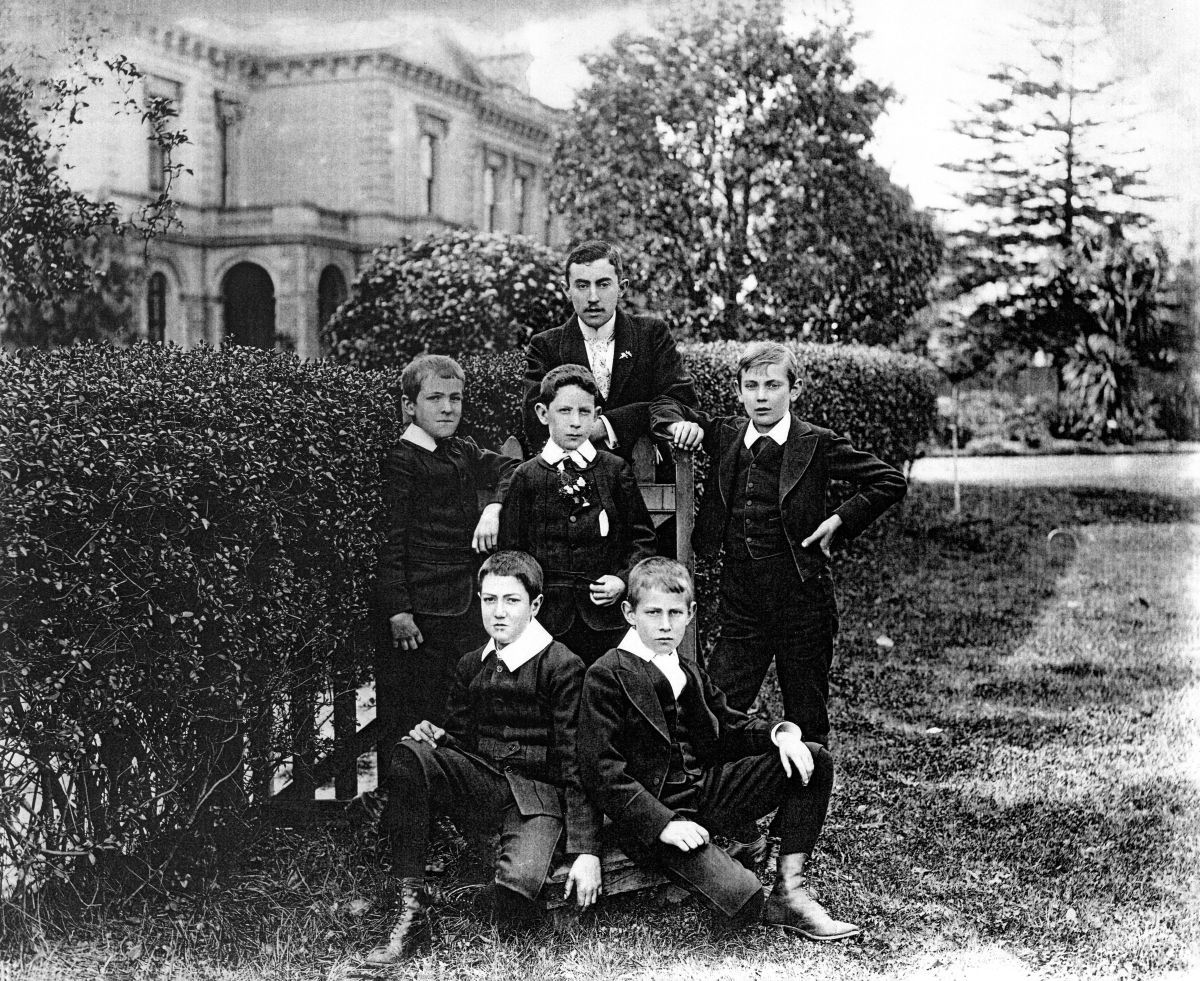
Students and staff in the 1920s
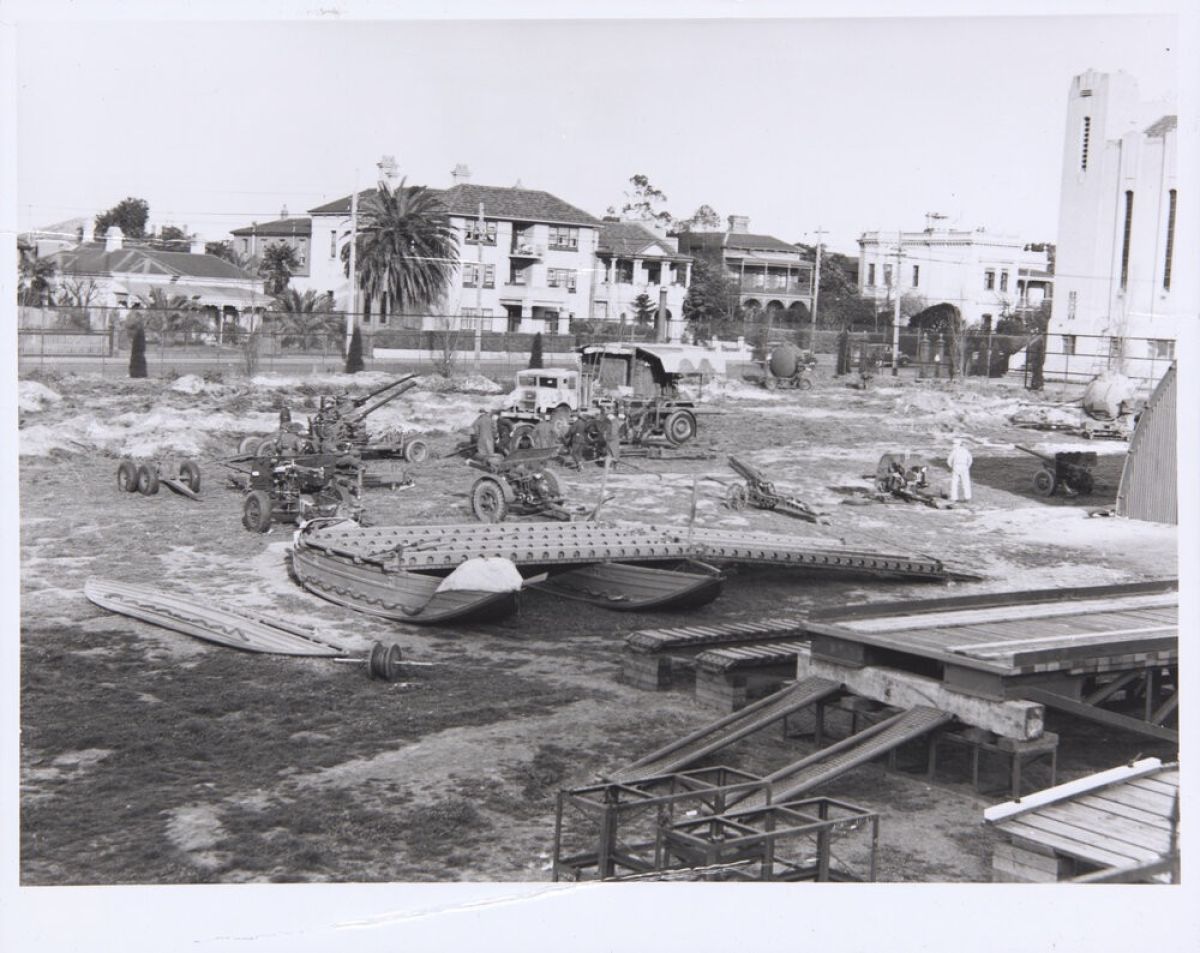
Military equipment takes over the Back Turf (1943)
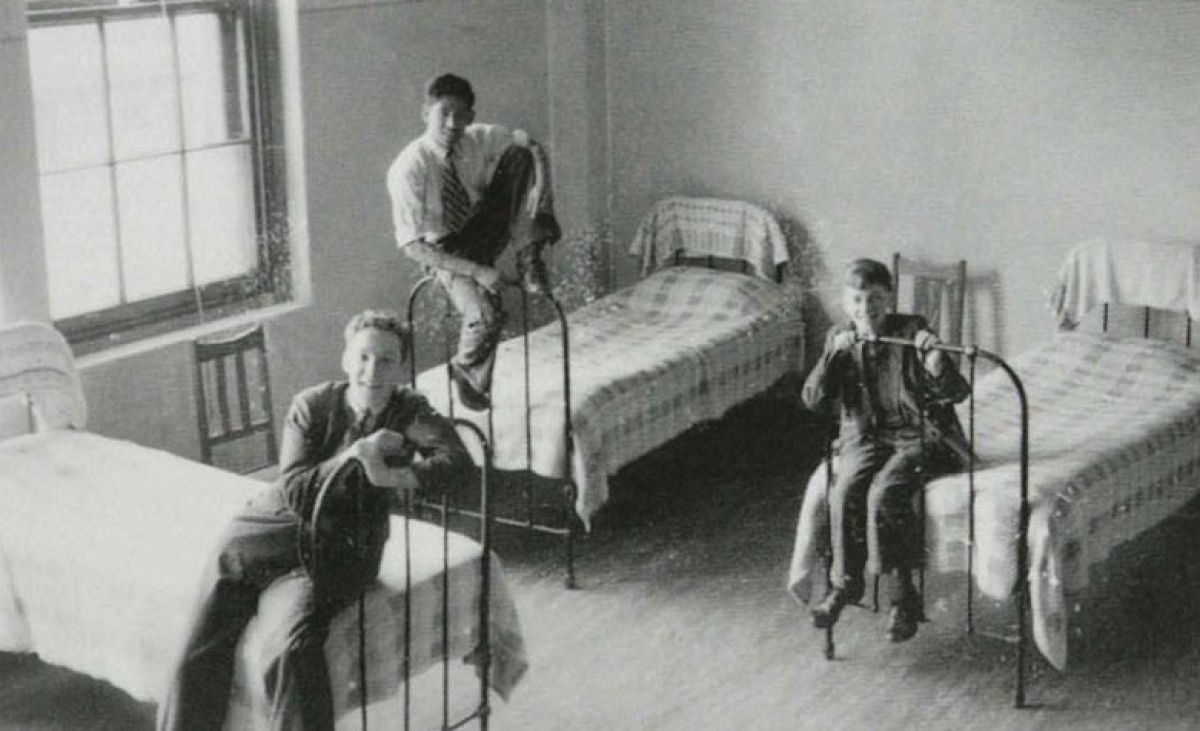
Boarders at the St Kilda Road Campus in 1953
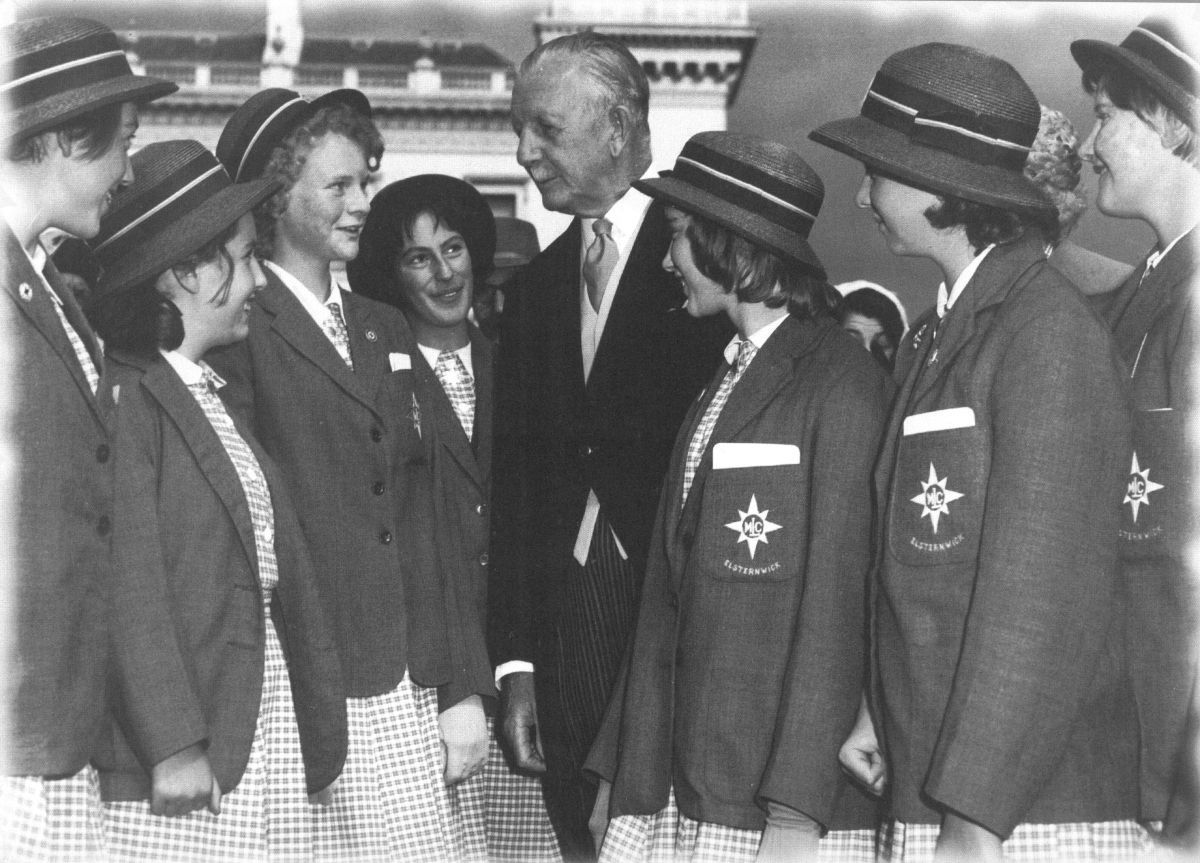
Mr Cato with students at MLC Cato - now Wesley College, Elsternwick Campus
Wesley College keeps growing. From 1902 to 1932, our longest-serving headmaster, L A Adamson, fashions the College into one of Australia’s leading schools. The Nicholas brothers’ grand philanthropy of the 1930s sees a major rebuild of the school, including the construction and dedication of the chapel. World War II arrives and the army takes over the school, the teachers and students relocating to Scotch College. In the 1960s, a sprawling apple orchard gets built on, becoming our Glen Waverley Campus.
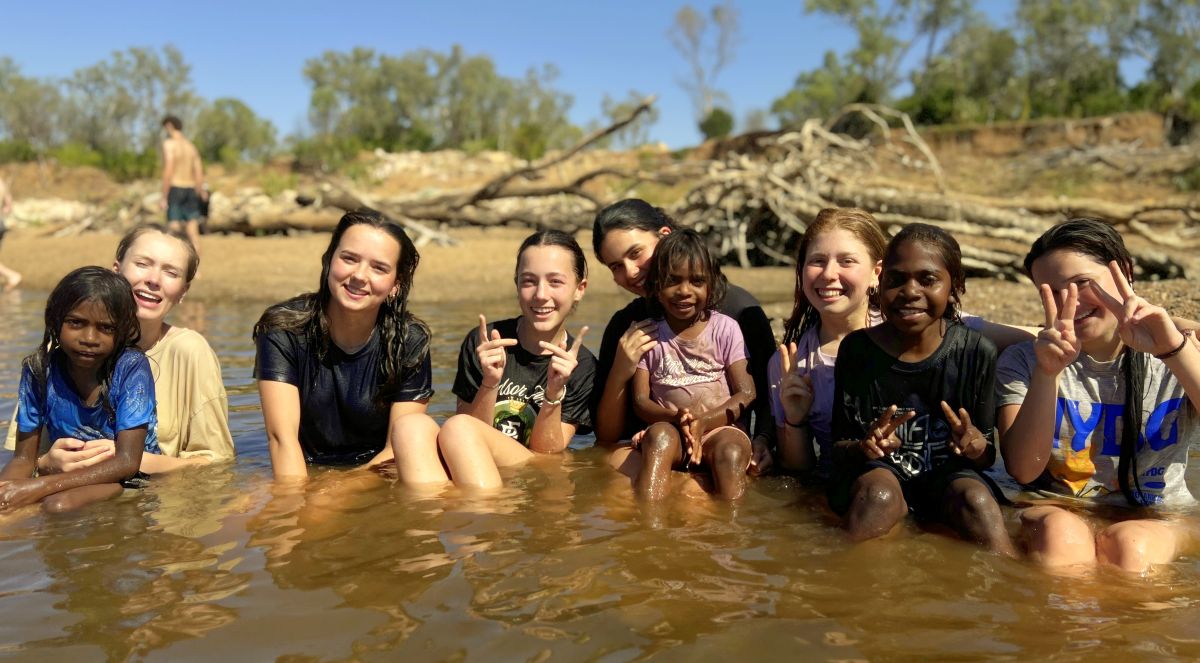
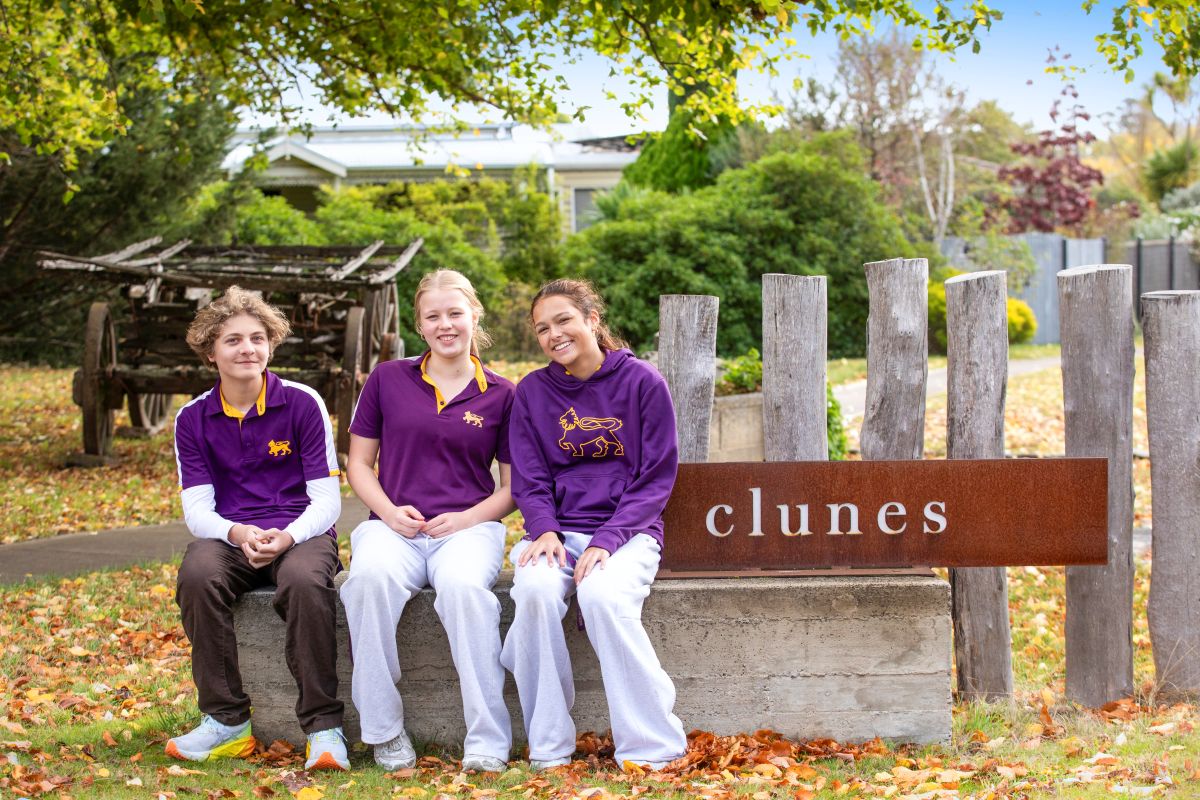
Momentously, in the late 1970s, Principal David Prest introduces coeducation. Boarding at Wesley ends in 1980. Cato College becomes Elsternwick Campus in 1989, and the Class of 1990, our first coeducation cohort, graduates the following year. We establish a residential campus in the regional town of Clunes in 2000. In partnership with the Bunuba people, Principal Dr Helen Drennen AM launches the Yiramalay/Wesley Studio School in the Kimberley in 2010, and in 2016, she reintroduces boarding to Wesley with the Learning in Residence program at the Glen Waverley Campus.
We’ve come a long way. 3,400 students, both girls and boys, a staff numbering in the hundreds, three metropolitan campuses, a regional campus, and three Outdoor Education sites dotted around Victoria.
One wonders what Headmaster Corrigan would have made of all this.
‘Why are there girls here? That would probably have been his first response,’ wryly offers our 17th and current principal, Nick Evans (OW1985). ‘He would also wonder what has happened to Methodism. But once he dug deeper, he would find that the aspirations he held, expressed differently to be sure, are still at the forefront of Wesley College.’
It’s an astute point. Progressive educational reformer that he was, Corrigan was ahead of his time in believing that education should develop the whole child, rather than focus narrowly on examinations or rote learning.
On Speech Day in 1866, he declared: ‘We aim steadily at training into healthy development the whole nature of the pupil – physical, intellectual and moral.’
It’s remarkably modern in tone, and it resonates naturally with our steadfast belief that ‘education can transform lives, can give meaning to young people, and can shape young people to be meaningful contributors to society,’ as Principal Evans puts it.
The move to coeducation has easily been the single most consequential change in our school’s culture across its 160-year history. Prest’s decision to introduce it was grounded in a progressive belief in equality and his conviction that schools should prepare students for the world as it is, and not in isolation from half the population, as tradition once defined it.
The move demonstrated the confidence the College had to redefine itself; to adapt to changing social values while remaining true to its broader educational mission, first articulated by Corrigan all those years ago.
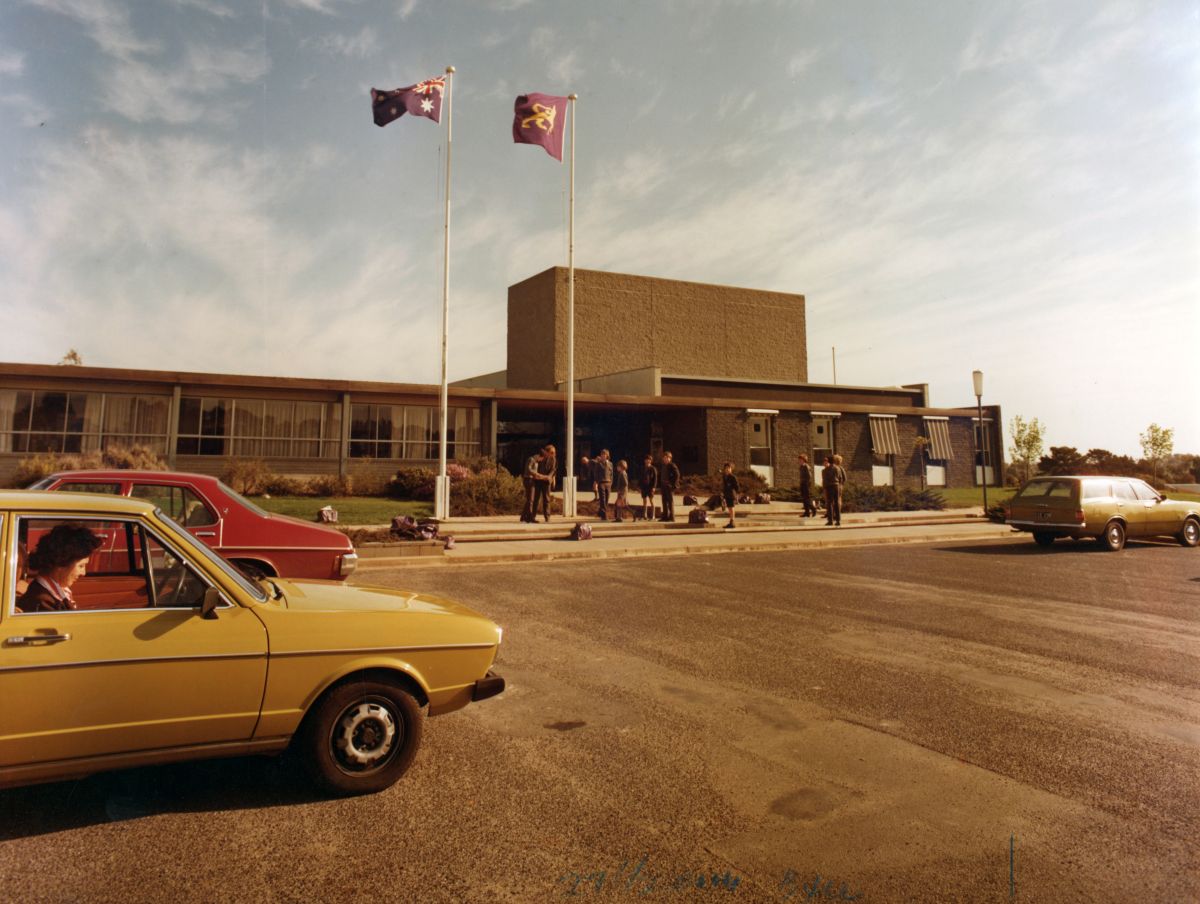 Across a decade, an entirely different energy evolved in the College. The first intake of girls to Junior School occurred in 1978; in the early 80s, the staff was still heavily male-dominated, but things were about to change rapidly...
Geography teacher Sara Liversidge is one of the few teachers left who taught single-sex boys’ classes, before girls moved up the school.
‘When I started in 1985, there were 13 new staff and 11 of those people were women,’ she says. ‘David Prest was very keen to increase the presence of female teachers on the campus – especially young ones, to act as role models for our girls. This first group of female staff really supported each other.’
The rest, as they say, is history. ‘I chose to send my daughter to Wesley, and she’s a better woman for it,’ says Sara.
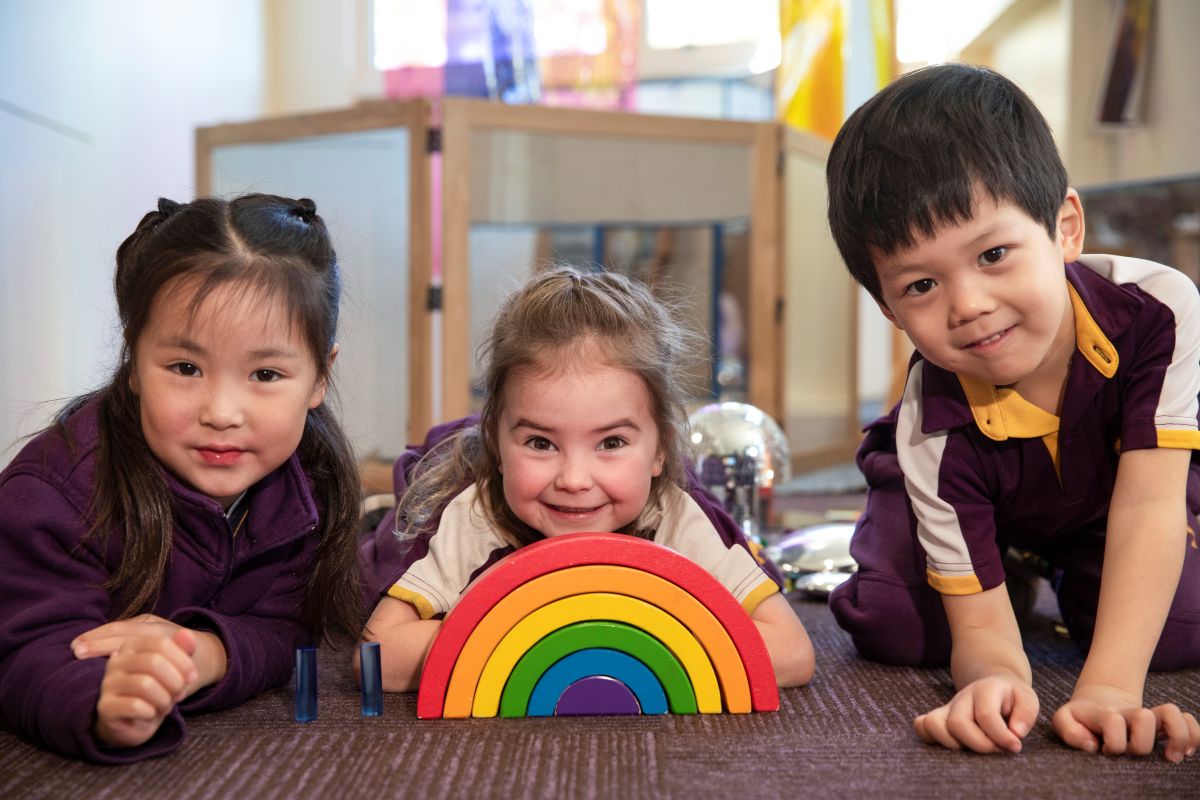 When we look at where we are now in 2026, we can confidently say we’re also the better school for it.
This does, of course, suggest something about our school that goes beyond the example of coeducation. Again and again across our 160-year history, the College has shown a readiness to look beyond the immediate horizon and imagine what its students might need in a world not yet fully formed.
In a striking parallel, we share our founding year of 1866 with another institution – The Royal Aeronautical Society. Formed in Britain decades before powered flight was achieved, it was established not because flight existed, but because people dared to believe it could.
Wesley College, in the spirit of our 160-year-old motto Sapere Aude – Dare to be Wise, has likewise always dared to view the wider horizon, and to live into the future with a firm belief in the transformative effect of a whole education.